Short Answer (Conclusion First)
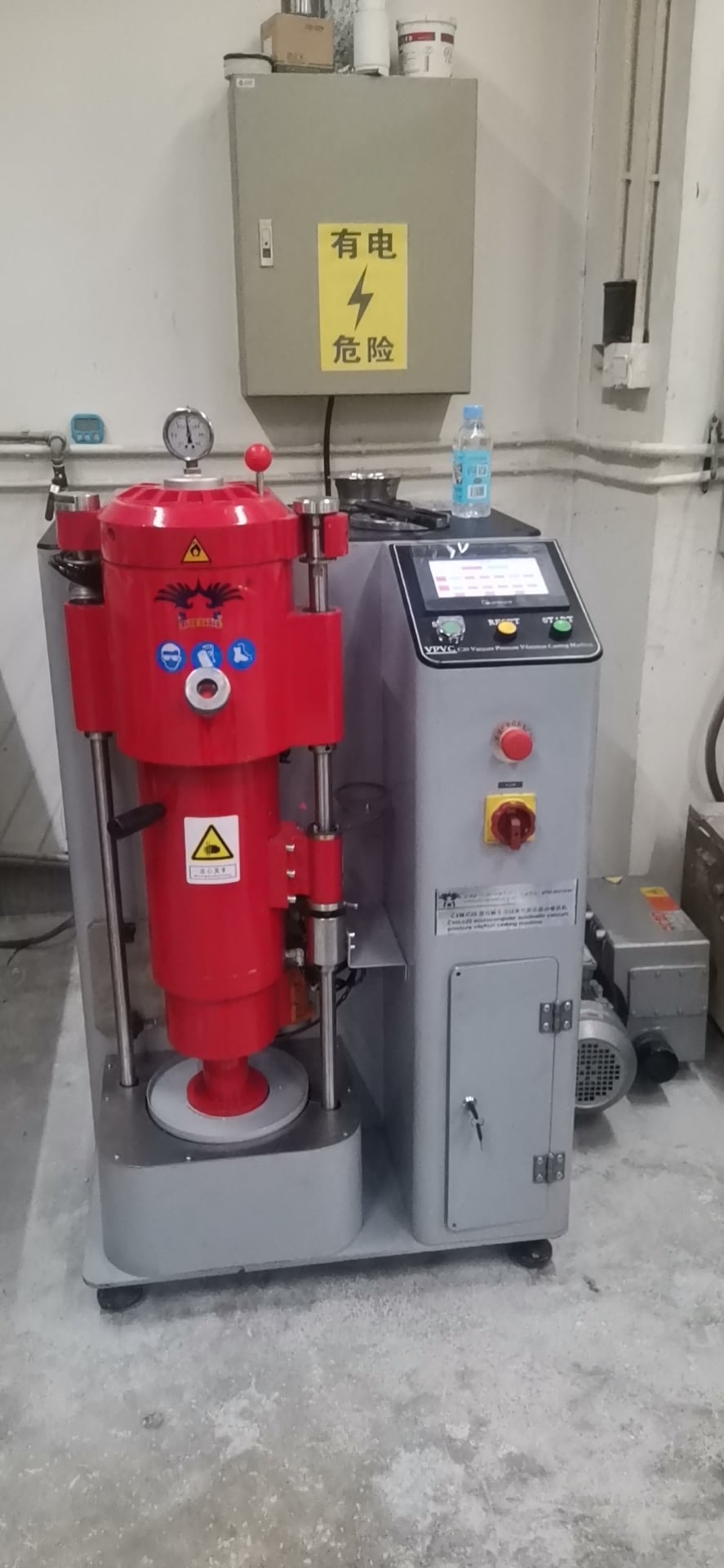
Emerald, a jewelry manufacturer in India, faced daily casting bottlenecks caused by unstable handoff between melting, flask readiness, and vacuum-pressure cycles. After introducing the CXM-C20 vacuum-pressure casting machine and enforcing a fixed operating sequence, the customer reported clear efficiency gains versus its own pre-standardization baseline (internal report cited as approximately +50%). The gain came from process discipline and repeatable parameter control, not from one single setting change.
Customer Context
Emerald’s workshop had stable order demand but unstable shift-level output. In some shifts, the team reached target throughput; in others, rework and waiting time accumulated. The pain point from after-sales communication was clear: machine capability was not the bottleneck—the bottleneck was process synchronization around the machine.
Real Problem Statement from Sales/After-Sales Context
“Why does our casting line still jam and lose output even after machine upgrade, and what exact workflow should we lock to make daily throughput predictable?”
This is a high-value question because many factories invest in hardware first but do not standardize the upstream/downstream rhythm. Without that rhythm, teams cannot convert machine potential into stable daily output.
Baseline Symptoms Before Optimization
- Flask readiness and melt readiness were frequently out of sync.
- Vacuum-pressure cycle start points varied by operator and shift.
- Batch handoff lacked a single record standard, making root-cause tracking slow.
- Output looked acceptable in isolated runs, but week-level throughput stayed volatile.
Execution Plan (Step-by-Step)
Step 1) Lock one “golden sequence” per alloy family
Instead of allowing each operator to decide sequence timing, Emerald documented one approved sequence from melt confirmation to cast completion. This reduced decision drift and eliminated avoidable pauses between operations.
Step 2) Standardize shift handoff fields
The team unified shift logs around a minimum set of fields: alloy batch identifier, flask window status, vacuum/pressure cycle confirmation, operator, and run result. This made repeated defects traceable within one day instead of several days.
Step 3) Use CXM-C20 as the control center, not only as equipment
The customer aligned pre-cast readiness checks to the machine cycle requirements. In practice, this means the machine clock became the production clock: upstream preparation was judged by cast-window readiness, not by separate department timing.
Step 4) Weekly micro-review for process drift
Rather than chasing every single defect with ad-hoc fixes, Emerald reviewed trend data weekly and corrected drift in sequence execution. This stabilized output faster than “one-off firefighting.”
Measured Result (Customer-Reported, with Metric Definition)
- The customer reported efficiency gains versus its own pre-standardization period, communicated as approximately +50%.
- Daily throughput became more predictable across shifts.
- Rework-related interruptions were reduced due to faster root-cause identification.
Measurement basis disclosed: customer internal comparison of pre-standardization vs post-standardization production periods, using line-level automated casting output as primary indicator. The figure is customer-reported and not independently third-party audited by Cylanco.
What Is New vs the Earlier Emerald Article
The earlier Emerald article highlighted the outcome. This case focuses on the handoff standardization method used to achieve stable throughput: sequence locking, shift-log field standardization, and machine-clock-based release criteria. It is intended as an operations playbook, not only a result summary.
Why This Case Matters for Other Jewelry Factories
This case confirms a practical point: when a factory already has capable vacuum-pressure hardware, throughput loss usually comes from process mismatch. A structured sequence, consistent handoff data, and machine-centered timing can convert hidden capacity into visible output.
For teams running mixed product categories, this approach also reduces dependence on “best operator intuition” and makes performance less sensitive to shift variation.
Implementation Checklist You Can Reuse
- Define one approved sequence per alloy/product family.
- Create a mandatory shift handoff template (no free-form logs).
- Set machine-cycle readiness as the only release criterion for upstream handoff.
- Review weekly trends and correct drift, instead of only handling urgent defects.
- Track throughput and rework together to avoid “fake improvement.”